
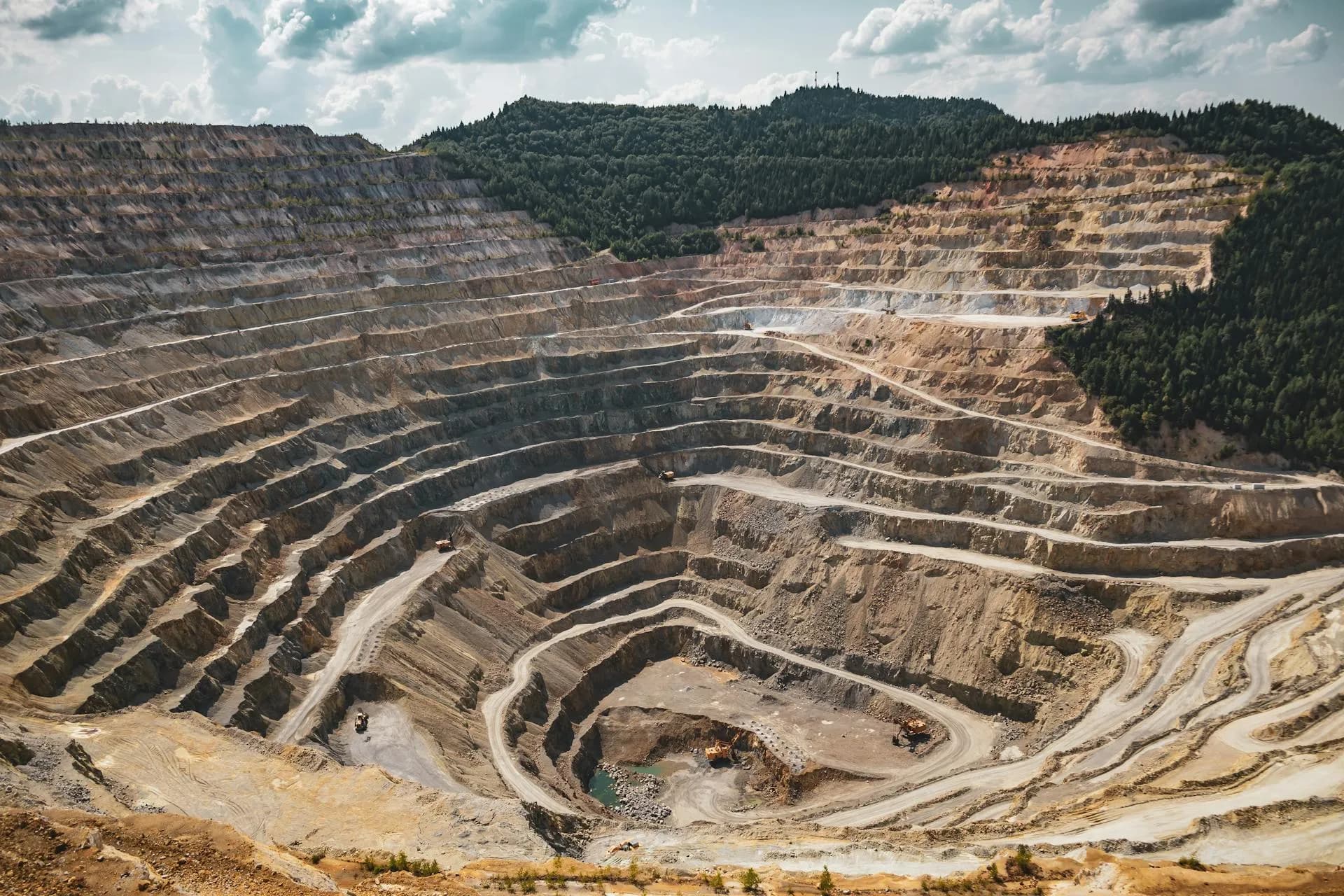
Mining Industry
Productivity down 5 years straight. 83% of projects over budget. And you still can’t find enough people.
Australian mining is sitting on the biggest opportunity in a generation — critical minerals, energy transition, record pipelines. But the operations underneath aren’t keeping up. We help you fix the systems that turn opportunity into output.
56,000
Extra workers needed by 2033
Industry forecast
83%
Of major projects over budget
McKinsey
3.3%
Productivity fell again in 2024–25
ABS
43%
Average cost overrun on capital projects
McKinsey
Sound familiar?
If you’re running a mining operation in Australia right now, you’re probably nodding at most of these.
You can’t fill roles fast enough — and the people you do get take months to be productive
You’re running more trucks and more shifts but moving less material per dollar spent
Your fleet system doesn’t talk to your maintenance system, which doesn’t talk to your planning system
Capital projects keep blowing their budget, and nobody sees it coming until it’s too late
ESG reporting went from a nice-to-have to a compliance requirement and you’re scrambling
Unplanned downtime on critical equipment is eating your production targets
Safety paperwork, contractor compliance, and regulatory reporting consume whole teams
You bought the technology but your people are still running the old way alongside it
It’s not the gear. It’s how the operation runs.
Most mining operations have invested heavily in equipment and technology. But the systems connecting them — how information flows from the pit to the plant to the office — are held together with spreadsheets, radio calls, and people’s heads. When your fleet management, maintenance, planning, safety, and finance systems don’t talk to each other, you’re making million-dollar decisions on partial information. The technology exists to fix this. But 70% of digital transformations in mining fail because nobody changes how the operation actually works around the new tools. That’s the gap we close.
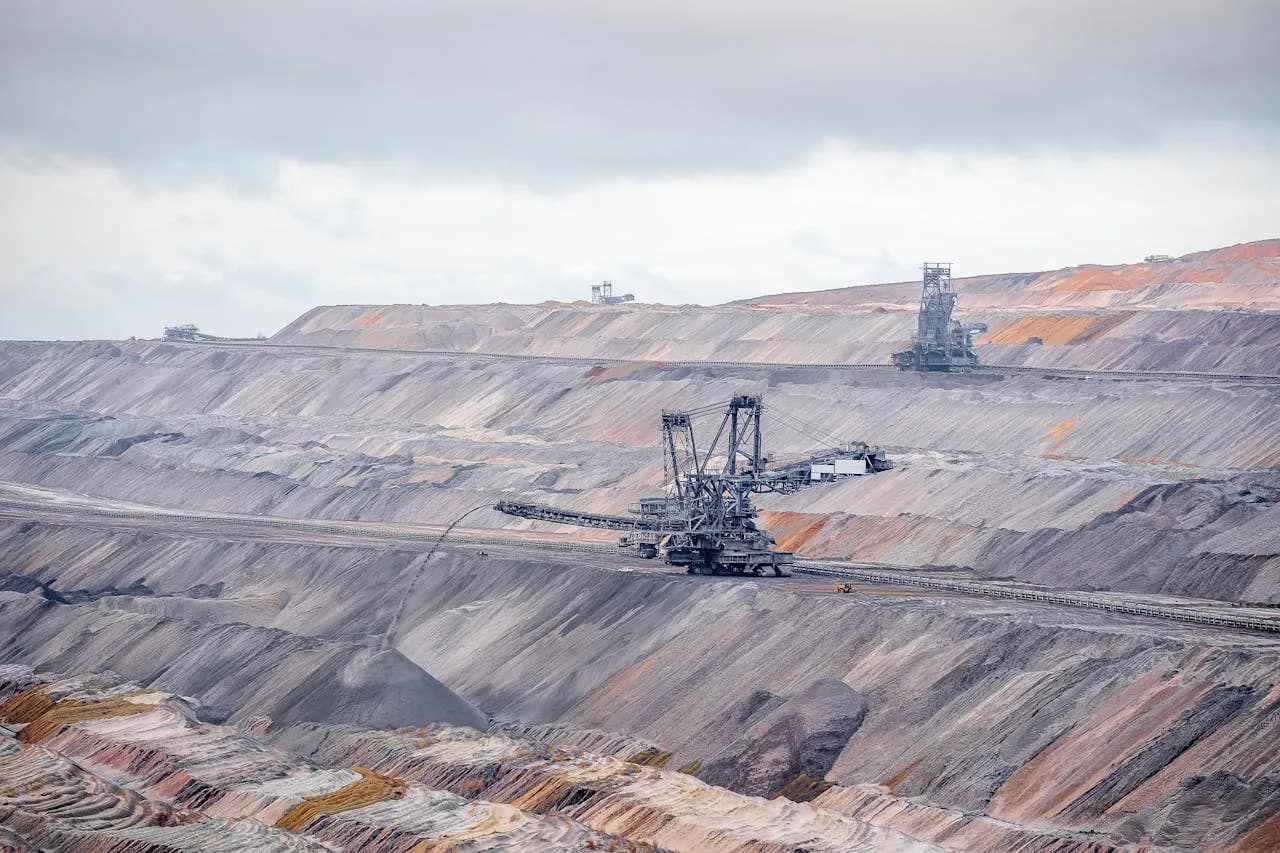
Get more out of every truck, every shift, every tonne
Get more out of every truck, every shift, every tonne
Mining productivity in Australia has fallen for five consecutive years. You’re spending more on labour, fuel, and equipment but producing less per dollar. The gap between what your fleet could do and what it actually does is where the money is.
Fleet sitting idle
Trucks waiting at shovels, queuing at dumps, idling through shift changes. Proper fleet management systems improve productivity 10–34% by eliminating these dead spots.
Can’t see the real picture
Your dispatch system, maintenance logs, and production reports live in different worlds. Connecting them saves roughly 4 extra production hours per week — just from faster decisions.
Breakdowns you didn’t see coming
Unplanned downtime on a haul truck costs $10,000–50,000 per day. Predictive maintenance using sensor data reduces unplanned stops by 25–30%.
Fleet utilisation · Before
Trucks queue at shovels, idle through shift changes, and run sub-optimal routes. You know it’s happening but can’t quantify it.
Fleet utilisation · After
Real-time dispatching, dynamic truck assignment, and shift-change optimisation. Every truck spends more of its shift actually hauling.
Maintenance · Before
You fix things when they break. Critical equipment goes down mid-shift. Spares arrive too late or sit on shelves too long.
Maintenance · After
Sensors flag problems before they become failures. Maintenance shifts from reactive to planned. Downtime drops, availability climbs.
Decision speed · Before
Getting a clear picture of today’s production means chasing data from 3 systems and 2 people. By the time you have it, the shift is over.
Decision speed · After
One dashboard showing fleet position, production vs plan, and equipment health. You make decisions in minutes, not hours.
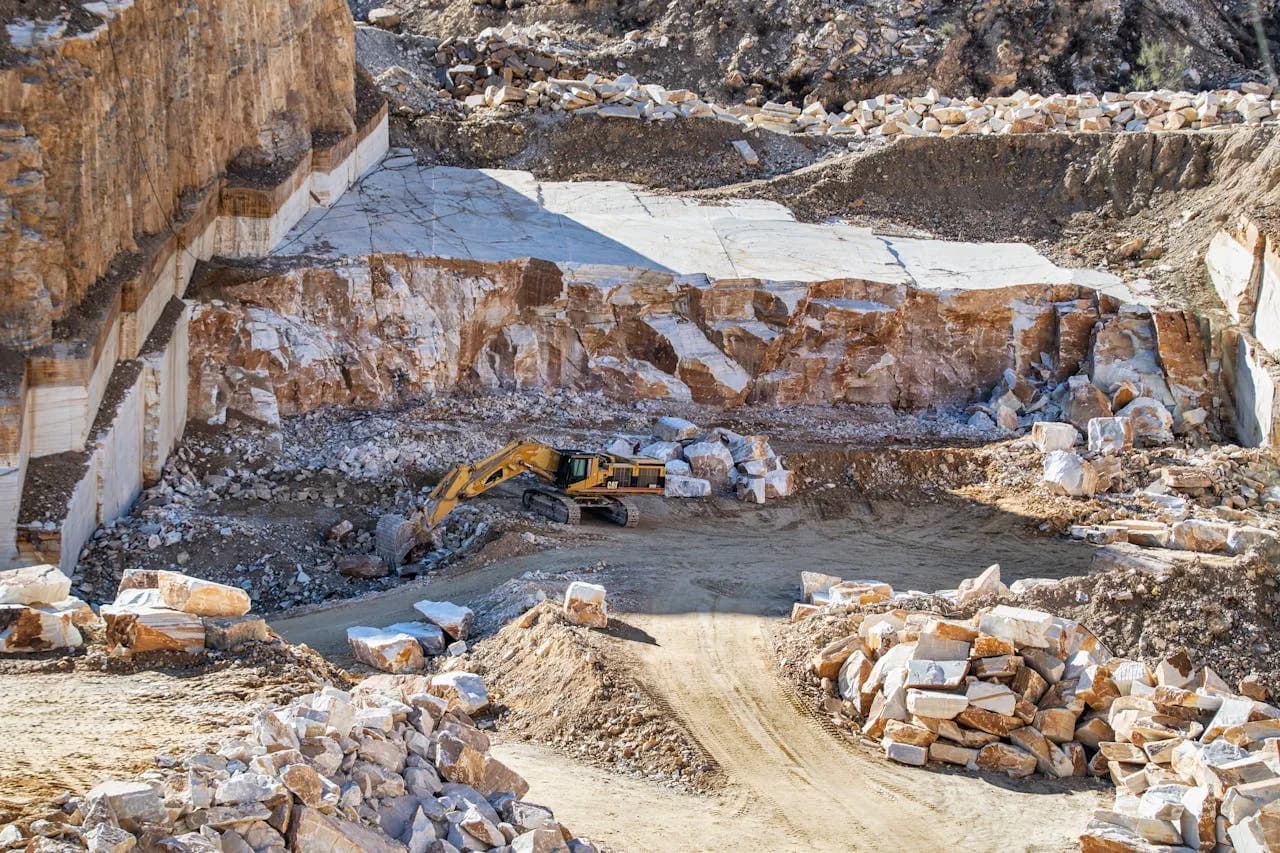
Deliver capital projects on time and on budget
Deliver capital projects on time and on budget
83% of major mining projects come in late and over budget, with average cost overruns of 43%. For mid-tier miners, a blown capital project doesn’t just hurt the balance sheet — it can sink the company. The fix isn’t more engineers. It’s better project systems.
Budget blowouts found too late
Most overruns are identified in execution, long after the estimates were locked in. EY found that digital strategy needs to be set at the estimation phase — not bolted on later.
Contractors pulling in different directions
Multiple contractors, multiple systems, no single view of progress. The gaps between contracts are where the real risk lives.
Commissioning disasters
Construction finishes on time but the plant doesn’t reach capacity for months. The commissioning team wasn’t consulted early enough, and the build sequence didn’t match startup needs.
Cost visibility · Before
You find out the project is over budget at the next steering committee — weeks or months after the overspend started.
Cost visibility · After
Real-time cost tracking against baseline. Variances surface in days, not months. You can intervene while there’s still room to course-correct.
Contractor coordination · Before
Each contractor reports in their own format, on their own schedule. Integrating across contracts requires heroic manual effort.
Contractor coordination · After
One reporting framework, one set of milestones, one view of progress. Integration risks are visible and managed, not discovered at handover.
Commissioning · Before
Construction and commissioning are treated as sequential. The plant is built but can’t start because the handover sequence doesn’t work.
Commissioning · After
Commissioning requirements shape the construction sequence from day one. The plant starts up as planned because it was built to start up.
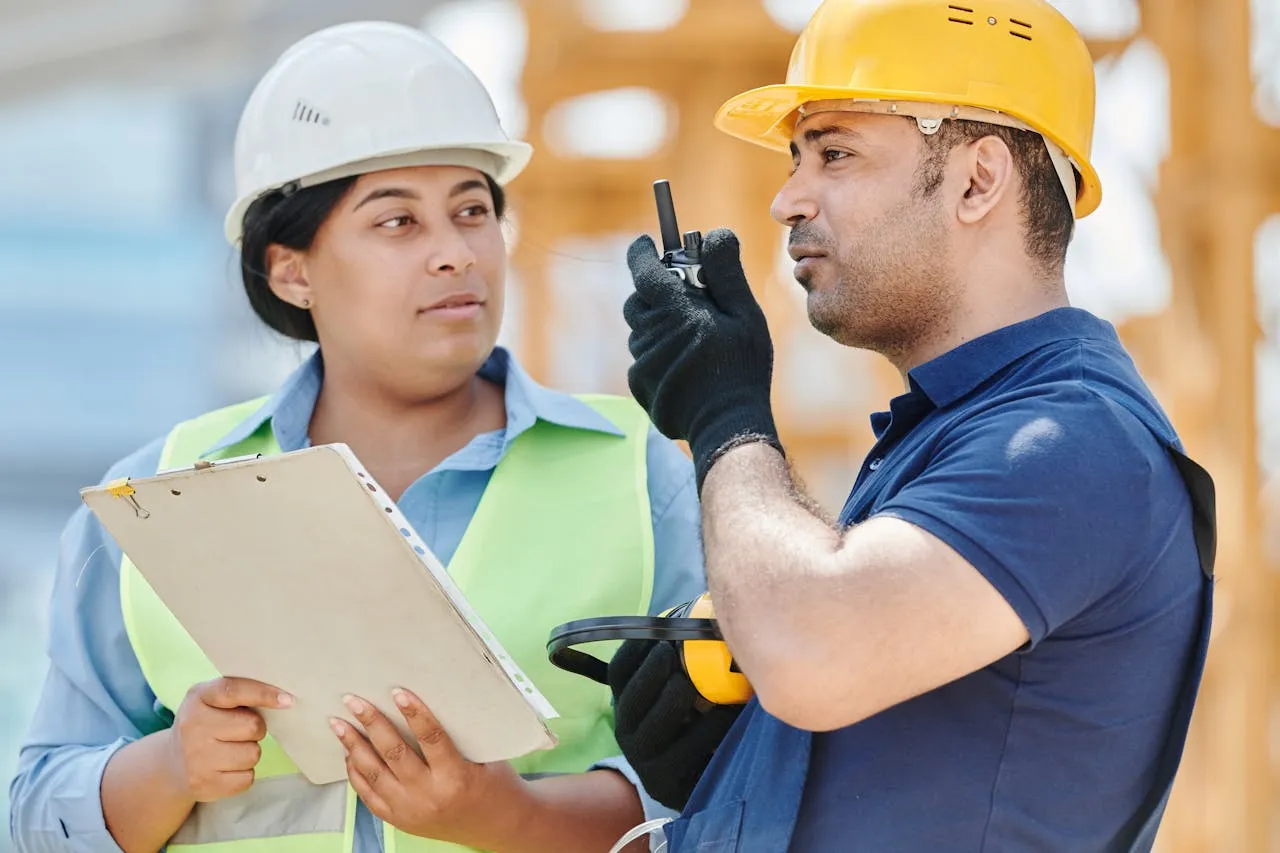
Do more with the people you’ve got
Do more with the people you’ve got
The mining industry needs 56,000 extra workers by 2033. You’re not going to find them all. The operations that win will be the ones that get more from every person on site — through better systems, smarter automation, and less time wasted on things that don’t move dirt.
People doing admin, not mining
Shift supervisors spending hours on compliance paperwork, manual reporting, and chasing approvals. Digital safety and compliance platforms cut this dramatically.
Knowledge leaving with every departure
FIFO turnover is 30–40% higher than residential. Every time someone leaves, operational knowledge walks out with them. You need systems, not just people.
Safety systems still paper-based
Fatigue monitoring reduces incidents by up to 90%. Proximity detection prevents collisions. But many mid-tier operators are still running manual safety processes.
Site admin · Before
Supervisors spend 2–3 hours per shift on paperwork, manual logs, and compliance forms. That’s production time you’re not getting back.
Site admin · After
Digital checklists, automated reporting, and compliance platforms. Your supervisors supervise. Your data captures itself.
Safety technology · Before
Fatigue management is self-reporting. Near-miss data is inconsistent. You’re reactive to incidents rather than preventing them.
Safety technology · After
In-cab fatigue monitoring, proximity detection, and real-time incident tracking. You shift from investigating incidents to preventing them.
Workforce capability · Before
New starters take months to be productive. Training is ad-hoc and depends on who’s available to show them the ropes.
Workforce capability · After
Structured onboarding, digital SOPs, and clear competency frameworks. People get productive faster and stay longer.
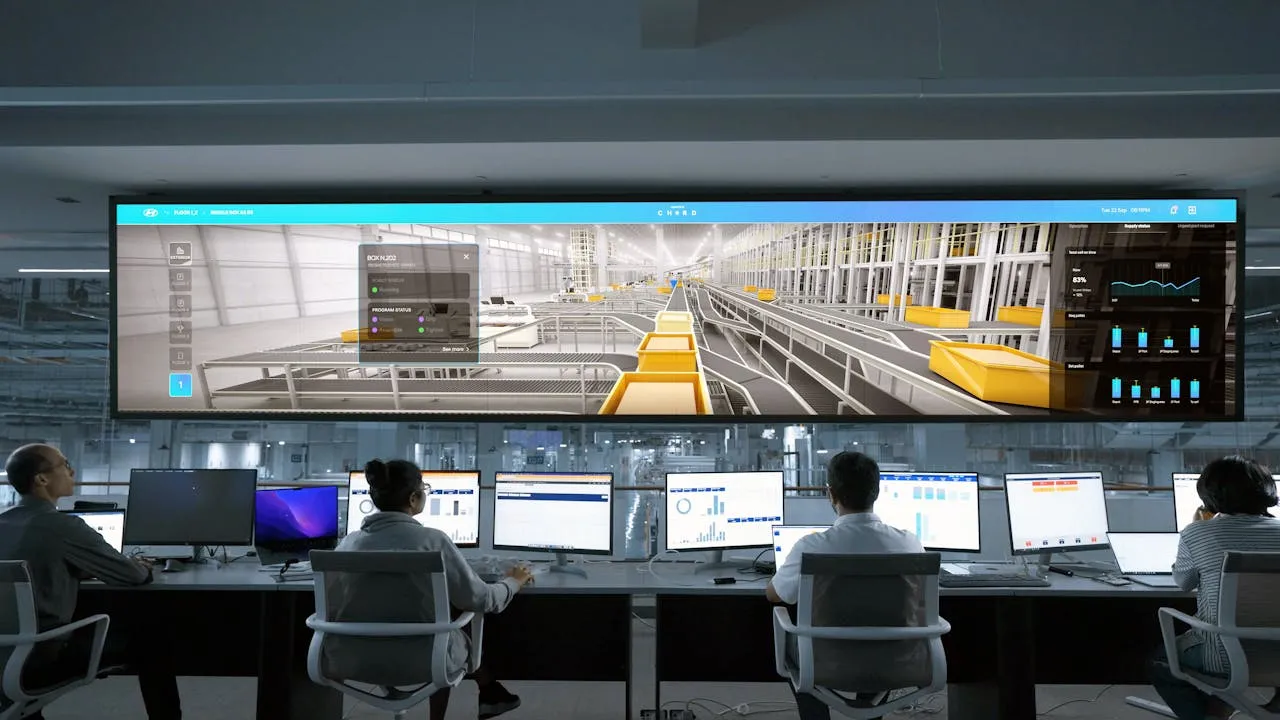
Make your technology actually work together
Make your technology actually work together
63% of mining executives struggle to integrate data across systems. The average operation has dozens of disconnected platforms — fleet, maintenance, planning, safety, finance, ESG. Each one works fine on its own. Together, they’re a mess. There’s a 13-year average lag between a technology being released and mining actually adopting it.
Data in silos, decisions in the dark
Your fleet system knows truck positions. Your maintenance system knows component health. Your planning system knows the schedule. But nobody has the full picture.
Digital projects that don’t stick
You’ve invested in platforms that promised transformation. Twelve months later, half the site is still using the old way. 70% of digital transformations in mining fail.
ESG reporting is a scramble
Mandatory climate reporting is here. Scope 3 from 2026. You need automated data collection and compliant reports, not more spreadsheets.
Connected systems · Before
Getting a complete operational picture means pulling data from 5+ systems, reconciling formats, and hoping nothing was missed.
Connected systems · After
Integrated data architecture where fleet, maintenance, planning, safety, and finance speak the same language. One source of truth.
Digital adoption · Before
You bought the system. The vendor installed it. Six months later, adoption is patchy and the promised benefits haven’t materialised.
Digital adoption · After
Technology implemented around how your people actually work. Change management built in from day one. Adoption sticks because the system makes their job easier.
ESG compliance · Before
Environmental and ESG reporting is manual, inconsistent, and takes weeks to compile. You’re not confident in the numbers.
ESG compliance · After
Automated emissions tracking, water monitoring, and regulatory reporting. Compliant data generated as a byproduct of operations, not a separate exercise.
The numbers don't lie
These aren’t projections. They’re documented results from mining operators who’ve made the shift.
15–32%
Productivity gain from autonomous haulage
BHP / Rio Tinto / FMG
25–30%
Reduction in unplanned downtime with predictive maintenance
Deloitte / Gartner
90%
Reduction in fatigue incidents with in-cab monitoring
Seeing Machines
10–34%
Fleet productivity improvement from management systems
Cat / Wenco / Modular
5.3x
Higher success rate when change management leads the transformation
McKinsey
70%
Of mining digital transformations fail without proper implementation
Industry benchmark
What working with us looks like
We don't hand you a report and walk away. We work alongside you to change how your business runs.
Step 1
We learn your operation
We spend time on your site — in the pit, the control room, the planning office. We look at how information flows from drill to dump, where decisions get delayed, and where systems don’t talk to each other.
Step 2
We show you the picture
You get a clear, straight-talking view of where your operation is strong and where it’s bleeding time, production, and money. No jargon, no 200-slide deck. Just an honest assessment with real numbers.
Step 3
We build the fix — with you
We set up the right systems and processes for your operation. We make sure your people actually use them. We stay until the new way of working sticks — not just until the vendor’s gone.
Step 4
You run it from here
The goal is an operation that runs properly without us. Better visibility, tighter cost control, less firefighting. You manage by dashboard, not by radio and spreadsheet.
Let’s talk about what’s actually slowing you down
No consultancy theatre. No death-by-PowerPoint. We’ll spend time at your operation — on site, in the control room, with your people. You’ll get a clear, honest picture of where your systems are costing you production, money, and time, and a practical plan to fix it. 30 minutes. No pitch. Just a straight conversation.
Book a Conversationinfo@xpeditepartners.com.au